


From Assessment to Assurance: The Strategic Value of Dam Safety Reviews
Dam Safety Reviews (DSRs) are more than a regulatory milestone. They are civil-led, multidisciplinary processes that help owners understand risk, protect downstream communities, and support the long-term performance of critical infrastructure. While often associated with periodic compliance, DSRs play a broader role in aligning engineering analysis, operational practices, and regulatory expectations.
This is becoming increasingly important as infrastructure continues to age. Globally, a significant portion of dams are approaching or exceeding 50 years of operation, underscoring the need for structured, ongoing safety assessments, such as Dam Safety Reviews (United Nations University).
A Dam Safety Review evaluates a dam’s structural, geotechnical, hydraulic, and operational performance. When integrated with floodplain and inundation studies, DSRs provide a clear, defensible understanding of how a facility performs under both normal and extreme conditions, supporting informed, risk-based decision-making throughout the asset lifecycle.
A Framework for Risk and Regulatory Alignment
Dam Safety Reviews are often undertaken at points where clarity is critical. Aging infrastructure, evolving flood criteria, and increased downstream development can significantly influence a dam’s risk profile. Across Canada, these challenges are further shaped by varying regulatory frameworks and jurisdictional requirements, commonly guided by the Canadian Dam Association (CDA-ACB) Technical Bulletin on Dam Safety Reviews.
Canadian Dam Association guidelines emphasize a risk-based approach to dam safety, with periodic reviews forming a core component of responsible ownership and regulatory compliance.
A well-executed DSR brings structure to this complexity. By evaluating current conditions against applicable guidelines and site-specific risks, reviews confirm hazard classifications, identify vulnerabilities, and support consistent communication with regulators. This clarity allows owners to navigate regulatory expectations more efficiently while maintaining confidence in asset performance.
Understanding Flood Consequences Before They Occur
Floodplain and inundation analysis are central to modern Dam Safety Reviews. Hydrologic and hydraulic modelling is used to assess inflow design floods, spillway capacity, and reservoir routing during extreme events. Inundation mapping defines downstream consequences for both overtopping and breach scenarios.
Figure 1 – Hydrological Study with Watershed Delineation
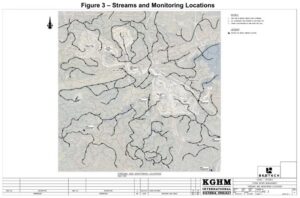
As watershed conditions, land use, and climate patterns evolve, updated flood studies ensure that assessments reflect present-day conditions rather than historical assumptions. This is particularly relevant as extreme precipitation events in Canada are projected to increase in both frequency and intensity, directly influencing flood design criteria and reinforcing the need for updated hydrologic assessments (Government of Canada).
These analyses support emergency preparedness planning, evacuation strategies, and hazard classification, strengthening safety outcomes while reducing uncertainty for owners and regulators.
Figure 2 – Probabilistic Flood Inundation Mapping
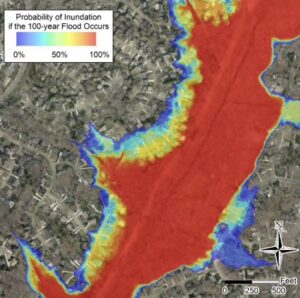
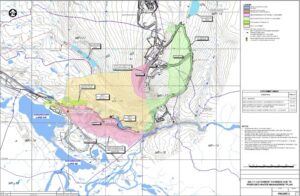
Figure 3 – Impact to Hydrology Due to Catchment Changes
Built on Civil Leadership and Multidisciplinary Expertise
Effective Dam Safety Reviews rely on coordinated multidisciplinary analysis and delivery. DSRs are led by civil engineering teams, with integrated support from structural, geotechnical, hydrotechnical, electrical, and instrumentation disciplines. Field inspections, instrumentation reviews, and assessments of operations, maintenance, and emergency preparedness plans ensure that real-world performance is fully understood.
Figure 4 – Earth Dam Slope Stability Analysis
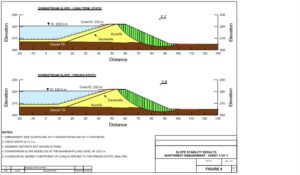
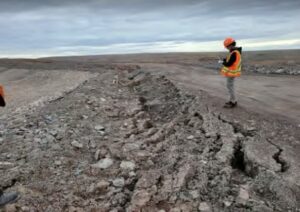
Figure 5 – Slope Slide and Longitudinal Cracking Along Dam Crest
BESTECH can deliver Dam Safety Reviews for dams of all types and scales, including mining water management structures, power generation facilities, and earthen dams. Experience working in remote and Arctic environments further supports the ability to deliver on complex sites and challenging operating conditions.
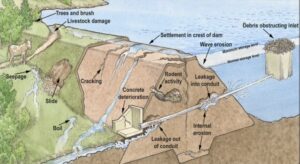
Figure 6 – Issues to Investigate During a Dam Safety Review
Supporting Confidence Through Clear, Defensible Outcomes
One of the most important outcomes of a well-executed Dam Safety Review is reduced regulatory friction. Clear, defensible assessments, supported by current flood studies and risk-based recommendations, help streamline discussions with regulators and stakeholders. By identifying issues early and prioritizing actions, owners can plan upgrades proactively rather than responding to emerging concerns.
BESTECH can support clients across all Canadian jurisdictions by delivering Dam Safety Reviews that balance technical rigour with practical implementation, providing clarity, compliance, and long-term assurance for critical infrastructure.
–
Prepared in collaboration with our Civil Engineering Team